



 The Paralympics are slowly gaining popularity, but the athletes don’t always get the recognition they deserve in the 4 years between games. Jason Smythe, a visually impaired Irish sprinter has participated in two Paralympic games but is aiming to join the very small group of people who compete in both the Olympics and Paralympics for the Rio de Janeiro games in 2016.
Read more about Jason Smythe and his quest for the 2016 Olympics
We can help people living with vision loss. Find out how.
Rio Olympics – Paralympics Double the New Goal for Jason Smythe
 Munisha Lall is a young woman living with Retinitis Pigmentosa. For her, as so many others, this means night-blindness, short-sightedness and tunnel vision. She loves music and loves the opportunity to hear her favorite artists perform live. But darkened concert halls, large crowds of people and unfamiliar landscapes can cause big problems for someone living with a visual impairment.
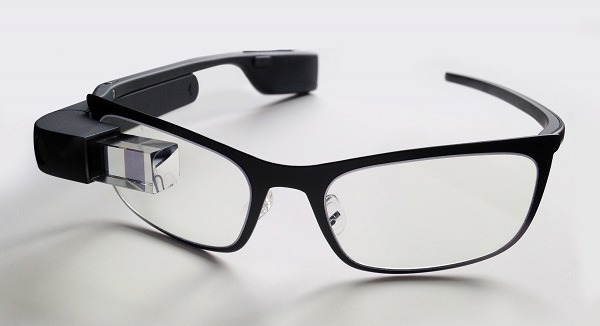 We were happy to see a new trial for Google Glass of a new service being tested to help the visually impaired.
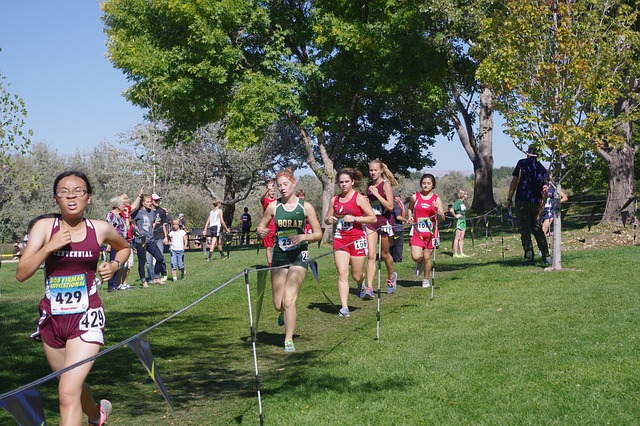 Noah Carver has been blind since birth due but he and his parents have found ways to adapt to make sure he experiences everything he wants to.
 These are two interesting videos if you’ve ever wondered about the logistics and rules of some of the para-athletic games.
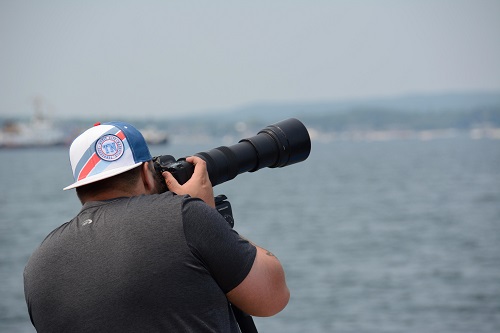 A professional photographer who has lost most of his sight is using his skills and knowledge of the industry to help other visually impaired people appreciate photography.
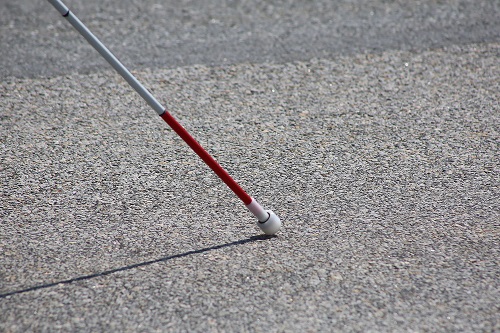 Florida State University has an interesting course open to all students. It’s called the Blindness Experience and it educates participants in all areas of visual impairment helping them to understand what living with a visual impairment is like, what it means to different individuals and how to be a good guide.
 When Paralympian Matt Simpson visited the Maryland School for the Blind, he encouraged the students to never give up and never limit themselves. And it’s a message the student body is taking to heart.
 Jacey, a high school student who has just earned herself a $10,000 scholarship towards further education, states that “while there were challenges I had to overcome during my journey through school, I never doubted I could overcome them.”
 Jessica Naert is a young woman living with retinitis pigmentosa. Slowly losing her vision, she now has a guide dog and no longer drives. But she is successful and independent in every other way. Yet, in this article, she discusses the questions and stares that she gets daily, how she feels about the various types of comments and how she responds to them.
 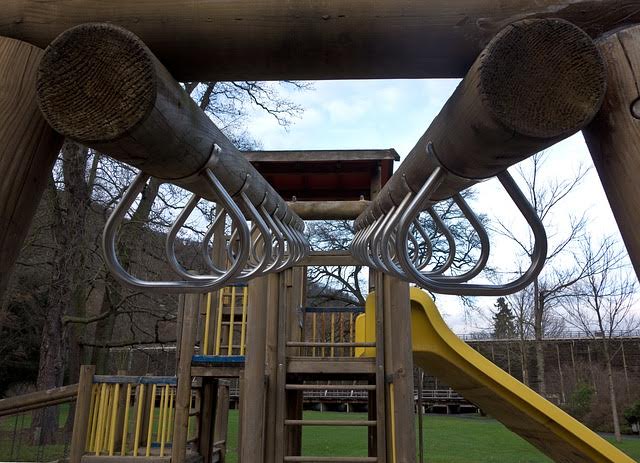 Students with visual impairments can be left out of physical education if proper planning and implementation of adaptations is done.
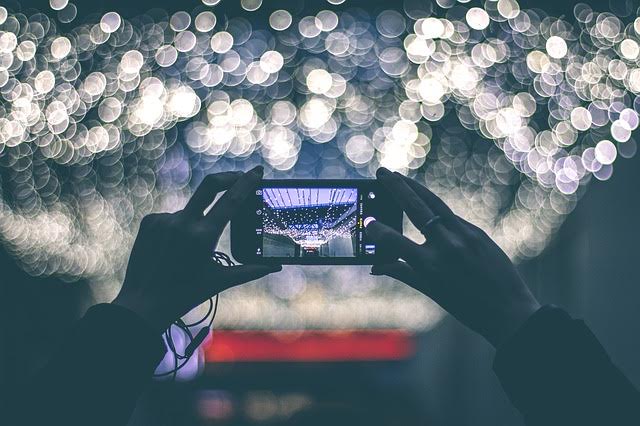 In this article, the sighted writer spends time learning about accessibility features on her phone. She’s also introduced to other assistive technology that helps people with visual impairments to live independently. Her guide through the journey is a 40 year old visually impaired man who works in the sector.
 Laura Martinez studied psychology at university but hated the food that the cafeteria served for meals. She decided that she could do better and set out on her path to become a successful chef.
 Have you ever tried to describe something abstract to someone who hasn’t seen it? Trying to put into words the sight and feelings evoked by something such as a dance or fireworks lighting up the night sky can feel nearly impossible.
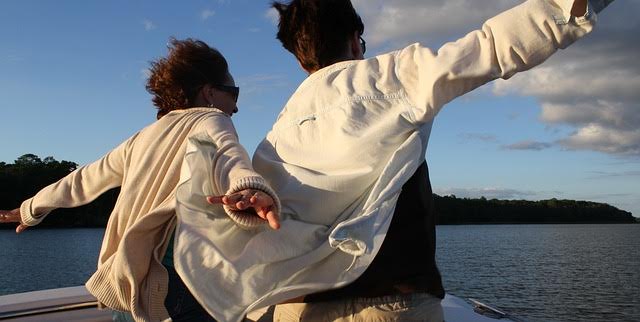 In a new blog series from Vision Aware, visually impaired people share the lessons life has taught them including the need for patience, how to trust themselves and other people and the ability to feel confident in one’s own abilities.
 It’s that time of year again – back to school!
 Kathryn Webster lost her sight three years ago due to health complications. She had already dreamed of her future and wasn’t about to let her eye sight change her plans. So, she entered Wake Forest University to pursue a dual degree in mathematics and business.
 The National Eye Institute states that cataracts are the leading cause of blindness in adults 55 years or older. Surgery can sometimes correct cataracts and in America, 1.5 million cataract surgeries are performed each year.
 In 1964, a baseball that beeped was invented. It was the beginning of a new rendition of the sport allowing blind and visually impaired baseball fans leave the spectator role and enter the players’ dugout.
 When touch screen computers, tablets and phones were introduced, many people in the visually impaired community were worried about how this technology would fit their needs. But thanks to apps too numerous to count, this technology is making life easier for many.
 Trevor Thomas wasn’t satisfied with being the first blind solo hiker through the Appalachian trail. So he once again tackled a hike with his guide dog that challenged them in every way. He conquered the Colorado Trail in 41 days and believes that what blind people face in the job market is worse than what he faced on either of his treks.
 Every parent needs a few minutes of down time to get a task done or just sit still for a moment. But the question of how to get these minutes of free time always lingers.
 Google seems to be a forward thinking company with many staff members living with different disabilities. According to the company, hiring people with disabilities ensures that all aspects of programs are considered.
 In
In 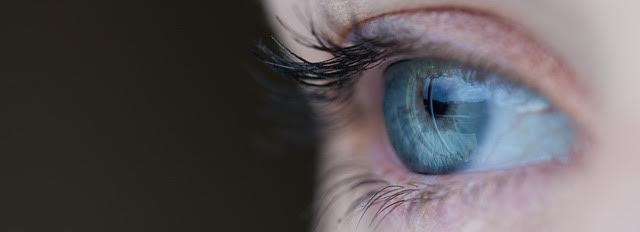 30% of Americans, by the age of 65, will be dealing with serious vision problems that are not able to be corrected with glasses or contact lenses. Much of this is age-related disease, but science is showing that in many cases, the onset can be delayed or avoided through nutritional strategies.